

By: All Education Schools Staff
Updated: February 6, 2026
Special education teacher salaries in Texas
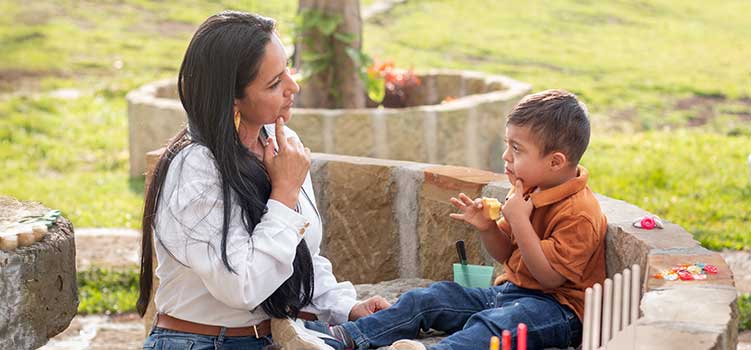
If you’re considering becoming a special education teacher in Texas, here are three reasons to validate your pursuing this career in the Lone Star State:
- Demand and job security:
- Texas has a growing student population and a statewide shortage of special education teachers, leading to strong job security, signing bonuses and loan forgiveness programs in many districts.
- Competitive salaries and cost of living:
- Special education teachers in Texas often earn higher salaries than general education teachers, and many districts offer stipends for specialized certifications. Plus, Texas has no state income tax, making take-home pay more competitive compared to other states.
- Diverse student population and career growth:
- Texas’ large and diverse student population provides opportunities to work with bilingual students, students with autism and those with behavioral needs. The state also offers alternative certification programs for career changers and numerous pathways for leadership roles in special education.
What you should bring to the job in Texas:
- Patience and empathy: Working with students with disabilities requires a great deal of understanding, compassion, and patience.
- Adaptability: Teachers need to be flexible in modifying their teaching strategies to meet the individual needs of students.
- Strong communication skills: Special ed teachers need to work closely with families, other educators and support staff to ensure that students’ needs are met.
- Knowledge of behavioral strategies: Understanding and implementing behavior management techniques and creating structured environments is key.
- Collaboration: The ability to work well with a team, including general education teachers, counselors and administrators, is important for success.
Quick view of special education teachers in Texas
There are 23,990 people employed as kindergarten and elementary school special education teachers in Texas says the U.S. Bureau of Labor Statistics (BLS)—making two people for every 1,000 who live in the state working in the profession. Another 8,470 teach special ed at the middle school level and over 12,530 teach at the secondary education level in Texas. The BLS said that Texas is the highest employer of special ed teachers at the elementary and secondary levels in the U.S., with also being the highest employer of middle school special ed teacher in the U.S. The forecasted job growth for the coming decade at a national level is -0.4% though O*NET, a subsidiary of the BLS, said that Texas would see 13% job growth through 2035.
In Texas, several school districts and institutions employ special education teachers at various levels, from elementary to adult education. Here are five top employers and how they utilize special education teachers’ skill sets:
- Houston Independent School District (HISD), Houston:
- HISD is one of the largest school districts in the state and serves a diverse student population. Special education teachers here work across all levels, from elementary through high school, providing tailored instruction for students with various disabilities. Teachers use skills in differentiated instruction, behavior management and IEP (Individualized Education Plan) development to support students’ academic, social and emotional growth. HISD offers extensive professional development opportunities for teachers, focusing on data-driven strategies to improve outcomes for students with special needs.
- Dallas Independent School District (DISD), Dallas:
- Special education teachers in DISD play a crucial role in supporting students in inclusive classrooms, resource rooms and specialized self-contained settings. Teachers’ skills in adaptive learning, technology integration for accessibility and fostering social-emotional skills are vital to the district’s mission. Teachers collaborate closely with general education teachers to ensure students with disabilities are fully included in the learning process.
- Austin Independent School District (AISD), Austin:
- In the AISD, special education teachers serve a broad spectrum of students with learning disabilities, autism spectrum disorders and other developmental disabilities. Teachers employ individualized strategies for academic instruction, functional skills and behavior modification. They also work with families to develop and implement IEPs and often serve as part of multidisciplinary teams to support holistic student development.
- San Antonio Independent School District (SAISD), San Antonio:
- Special education teachers in SAISD work with students in both mainstream classrooms and specialized settings. They are adept in managing and modifying curriculum to meet the needs of students with a range of disabilities, including intellectual disabilities, learning disabilities and emotional disturbances. Teachers are key in creating accessible learning environments, utilizing tools like assistive technology and differentiated learning techniques.
SAISD also provides resources and training for teachers to effectively integrate trauma-informed care and social-emotional learning into their practices. - The Texas Department of Family and Protective Services (DFPS), Austin HQ:
- For those working in adult education and developmental disabilities services, DFPS employs special education teachers to work with adults with developmental disabilities. These teachers provide skills training for independent living, job readiness and social integration. They also collaborate with caseworkers to ensure that the needs of the individuals served are met, adapting lesson plans and providing life skills instruction.
Special education teacher salary stats for Texas
Your salary as a special education teacher in Texas depends upon a number of things, such as where you work and live and the cost of living in specific regions, the demand for teachers, type of employer (public schools or private institutions) and of course, your education, qualifications and experience. Key traits for the job include patience, adaptability and strong communication skills, all of which help in meeting the diverse needs of students.
Median special education teacher salary in Texas
In Texas, kindergarten and elementary special ed teachers earned a median annual salary of $62,330, while secondary level special ed teachers earned $64,830. These salaries are just under the national median of $65,120 and $74,260 respectively, though Texas has a lower cost of living average than many other states, which may make these salaries go further.
Median salaries for kindergarten and elementary level special ed teachers in Texas and its main metro areas are below:
10%$50,030
25%$60,390
50%$62,330Median
75%$65,990
90%$74,240
Median Hourly WageN/A
Job growth-0.4%
Total Employment56,760
| Metro area | Median Salary | Bottom 10% | Top 10% |
|---|---|---|---|
| Houston-Pasadena-The Woodlands, TX | $65,080 | $51,230 | $75,120 |
| Dallas-Fort Worth-Arlington, TX | $64,830 | $61,040 | $74,240 |
| El Paso, TX | $64,000 | $50,340 | $100,860 |
| McAllen-Edinburg-Mission, TX | $62,600 | $49,900 | $72,790 |
| San Antonio-New Braunfels, TX | $62,230 | $52,240 | $71,130 |
| Killeen-Temple, TX | $62,190 | $49,150 | $75,290 |
| Laredo, TX | $61,780 | $55,740 | $63,740 |
| Brownsville-Harlingen, TX | $61,440 | $57,960 | $70,930 |
| Austin-Round Rock-San Marcos, TX | $60,750 | $50,030 | $64,230 |
| Waco, TX | $60,580 | $49,190 | $62,030 |
Source: U.S. Bureau of Labor Statistics (BLS) 2025 median salary; projected job growth through 2035. Actual salaries vary depending on location, level of education, years of experience, work environment, and other factors. Salaries may differ even more for those who are self-employed or work part time.
Median salaries for Texas special ed teachers at the secondary school level according to the BLS:
10%$52,270
25%$61,340
50%$64,830Median
75%$73,180
90%$77,700
Median Hourly WageN/A
Job growth-0.2%
Total Employment10,200
| Metro area | Median Salary | Bottom 10% | Top 10% |
|---|---|---|---|
| Midland, TX | $77,480 | $59,930 | $107,660 |
| Houston-Pasadena-The Woodlands, TX | $69,210 | $60,220 | $77,700 |
| Dallas-Fort Worth-Arlington, TX | $66,440 | $60,240 | $76,350 |
| El Paso, TX | $64,500 | $58,130 | $73,180 |
| Laredo, TX | $63,960 | $40,140 | $63,960 |
| McAllen-Edinburg-Mission, TX | $63,760 | $57,800 | $82,740 |
| Austin-Round Rock-San Marcos, TX | $63,740 | $60,830 | $93,540 |
| Beaumont-Port Arthur, TX | $63,350 | $47,750 | $78,960 |
| Brownsville-Harlingen, TX | $63,140 | $54,910 | $71,460 |
| Sherman-Denison, TX | $62,740 | $62,740 | $73,460 |
Source: U.S. Bureau of Labor Statistics (BLS) 2025 median salary; projected job growth through 2035. Actual salaries vary depending on location, level of education, years of experience, work environment, and other factors. Salaries may differ even more for those who are self-employed or work part time.
Comparing salaries for different special ed teacher education levels
What level of students you teach may make a difference in your salary. The BLS reported salaries for Texas special education teachers at the following grade levels:
| Education level taught | Median annual salary from the BLS |
|---|---|
| Preschool | $65,680 |
| Kindergarten and elementary school | $62,330 |
| Middle school | $63,360 |
| Secondary school | $64,830 |
| All other special ed teachers | $65,710 |
Salary ranges for special education teachers in Texas
The salary range for kindergarten and elementary level special education teachers in Texas typically spans from $50,030 to $74,240 per year. This accounts for entry-level positions to more experienced teacher or administrative roles and takes into consideration other factors such as education and geographic location of employment.
Pay by metro area for Texas special ed teachers
Your earning level likely depends upon where you live within Texas, and larger cities, such as Dallas, Austin and Houston, tend to pay better than rural or less populated areas. As noted earlier, Texas does not rank in the BLS top 10 for highest pay for special ed teachers at the kindergarten and elementary school level, but it does rank for highest level of employment. In fact, the Dallas-Fort Worth-Arlington area ranked fifth for highest level of employment and the Houston-The Woodlands-Sugar Land area took seventh. El Paso’s metropolitan area took the #1 spot for highest concentration of jobs in the U.S. according to the BLS. Here’s what they reported as the top 10 highest paying metro areas for kindergarten and elementary school special ed teachers in the U.S.:
Job growth and outlook for Texas special ed teachers
The job growth and outlook for special education teachers in Texas are generally positive, especially compared to the national numbers. Special education remains a field with strong demand due to increasing awareness of the need for specialized support for students with disabilities. Here’s a breakdown:
High demand for teachers: Texas is experiencing a teacher shortage in many areas, and special education is among the most affected. There is a continued demand for special education teachers, especially in rural areas, urban centers and for specialized roles, such as in autism and behavior disorders. This trend is driven by both population growth in the state and increased identification of students needing special education services.
Increasing enrollment: Texas’ rapidly growing student population means that there are more students requiring special education services. The state’s schools are working to meet these needs, which translates into more jobs for special education teachers.
Recent trends: As of recent reports, Texas has been actively recruiting and offering incentives to special education teachers, including loan forgiveness programs, signing bonuses and higher pay in hard-to-staff districts.
Regional variability: While larger districts such as Houston and Dallas offer more opportunities, the shortage is more acute in rural areas or districts with lower funding. However, this also means there are incentives, like higher salaries or bonuses, in these regions to attract and retain special education teachers.
In short, the job outlook in Texas is slightly more urgent because of the state’s rapid population growth and large school districts, coupled with specific shortages in special education. While salaries may be lower in rural districts, Texas offers various programs to incentivize new teachers and improve retention, such as loan forgiveness and pay incentives.
The BLS reported the top metro areas for the employment of special ed teachers at the kindergarten and elementary school level in the U.S. as:
Factors affecting Texas special education teacher pay
In Texas, the salary for special education teachers depends on several factors, including:
- Level of education and experience:
- Teachers’ pay is generally tied to their years of experience and level of education—do you have a bachelor’s vs. master’s degree?—School districts may offer salary schedules that scale with these factors.
- Earning certification in a specialty:
- Teachers with specialized certifications, such as those for specific disabilities or additional endorsements may earn more. Specialized roles like behavior specialists or inclusion coordinators may also carry higher salaries.
- Your school district:
- Different school districts in Texas may offer varying salaries based on their funding, cost of living in the area, and district policies. Larger urban districts may offer higher salaries compared to rural areas.
- Union contracts:
- While Texas does not have statewide collective bargaining for teachers, some districts may negotiate pay and benefits through contracts with local teacher associations or unions. However, Texas is a “right-to-work” state, so unions don’t have as much leverage as in other states.
- State laws:
- Texas does not have a statewide law that mandates a specific salary for special education teachers. However, the Texas Education Agency (TEA) provides general guidelines on teacher salaries, which districts must follow, and salary schedules must be publicly available.
- Texas Minimum Salary Schedule:
- This law outlines the minimum salary that districts must pay based on teacher experience and education level, but it’s important to note that districts often pay more than the minimum.
Teachers unions and how they work in Texas
In Texas, which is a right-to-work state, teacher unions function a bit differently from those in states with collective bargaining rights for public employees. Here’s a breakdown of how unions work for teachers in Texas, given the right-to-work status:
Right-to-Work laws in Texas
- Right-to-work means that workers cannot be forced to join a union or pay union dues as a condition of employment. This applies to both private and public sector workers, including teachers in public schools.
- In practical terms, this means that while teachers can choose to join a union, they are not obligated to do so, and they cannot be penalized or forced to pay dues if they choose not to join.
How teacher unions work in Texas
Even though unions cannot require membership or dues payment for employment, teacher unions in Texas still play a significant role in advocating for teachers’ rights, offering professional development and supporting legislative efforts. However, their power and influence are more limited compared to states with collective bargaining laws.
While unions in Texas can’t negotiate for contracts, they still hold some influence through their lobbying efforts and by mobilizing teachers around key legislative issues.They may also influence local school board decisions by gathering teacher support and promoting specific policies. However, this influence is more indirect than in states with collective bargaining laws, where unions have direct negotiation power.
Education, certification and licensing
To become a special education teacher in Texas, there’s a specific pathway that involves education, certification and ongoing professional development. Here’s a step-by-step breakdown of the process:
Required degree: To become a special education teacher in Texas, you must first earn a bachelor’s degree. This can either be in special education or in a related field (such as general education) with a focus or certification in special education.
Degree options: Some universities offer special education-specific programs where you’ll get coursework and fieldwork directly related to working with students with disabilities.
- Common courses include child development, psychology, educational psychology, special education law and individualized education plans.
Texas schools: Some universities that offer special education programs in Texas include:
- The University of Texas at Austin
- Texas A&M University
- Texas State University
- University of Houston
Complete your teacher preparation program
- Most Texas universities offering education degrees also provide teacher preparation programs. These programs include both coursework and practical teaching experience, such as student teaching.
- If you have a degree in a related field (like psychology or child development), you can still become a special education teacher by completing a post-baccalaureate teacher preparation program.
Finish your student teaching requirements
- As part of your teacher preparation program, you’ll need to complete a student teaching internship where you work under the supervision of a certified teacher in a real classroom setting.
- This experience is crucial as it allows you to develop the skills needed to work with students with disabilities and learn how to implement individualized education plans (IEPs), behavior management strategies and differentiated instruction.
Pass your state certification exams
- To become a certified special education teacher in Texas, you need to pass the Texas Examinations of Educator Standards (TExES) tests, which are required for all prospective teachers in the state.
- For special education, you’ll need to take the TExES Special Education EC-12 exam (exam number 161), which assesses your knowledge in:
- Understanding various disabilities and their educational impact.
- Creating effective IEPs.
- Managing classroom behavior.
- Understanding federal and state laws related to special education.
- The EC-12 certification allows you to teach students from early childhood through high school in special education classrooms.
Apply for teacher certification
- After passing the required exams, you can apply for Texas Teacher Certification through the Texas Education Agency (TEA).
- The certification process involves submitting transcripts, exam scores and proof of completing your teacher preparation program.
- Once approved, you’ll receive your Standard Teacher Certification for special education.
Continue professional development
- Texas requires teachers to complete continuing professional education (CPE) in order to maintain their certification. This includes professional development courses, workshops and seminars to stay current with best practices in special education, changes in state and federal law and new teaching strategies.
- Special education teachers are also encouraged to pursue advanced certifications in areas such as autism, behavior analysis or early childhood special education to further their expertise.
Optional: Pursue an advanced degree
- While not required, some special education teachers in Texas choose to pursue advanced degrees, such as a Master’s in Special Education. This can provide deeper knowledge in the field, open opportunities for higher pay, and increase job stability.
- Advanced degrees also allow teachers to specialize in areas like educational leadership or special education administration, which could lead to roles such as special education coordinator or district-level administrator.
Additional requirements and considerations
- Criminal background check: All prospective teachers in Texas must pass a criminal background check as part of the certification process.
- Alternative certification pathways: If you have a bachelor’s degree in another field but want to become a special education teacher, you can pursue an alternative certification program. These programs provide the necessary coursework and certification exams, allowing you to begin teaching while completing the requirements to earn full certification.
Cost of living considerations for Texas
The cost of living in Texas can vary significantly depending on the region, with some areas being much more affordable than others. Overall, Texas is known for having a relatively low cost of living compared to many other states, particularly in terms of housing, transportation and groceries. However, there are certain areas that are more expensive, especially large urban centers.
Overview of the cost of living in Texas
- Housing: Housing in Texas is generally more affordable than in many other states, but prices have been rising in certain areas, especially in major cities like Austin, Dallas and Houston.
- Utilities and transportation: Utility costs are generally affordable in Texas, and gas prices tend to be lower than the national average. Transportation is usually manageable, especially if you live in suburban or rural areas, although public transportation in larger cities can vary in quality and availability.
- Groceries and healthcare: Grocery costs are reasonable, with Texas ranking lower than many states in terms of food prices. Healthcare costs are also somewhat affordable, though this can vary by region and individual circumstances.
High-cost areas that employ special ed teachers
Austin:
Austin is one of the most expensive cities in Texas. In recent years, it has seen a significant increase in housing costs due to the tech boom and population growth. The median home price in Austin is much higher than the state average, and rent prices have followed suit. As the state capital and a rapidly growing city, Austin has a high demand for special education teachers. The Austin Independent School District (AISD) is one of the largest employers in the region, providing various opportunities for special education professionals. Despite the high cost of living, special education teachers are in demand to serve the growing and diverse population.
Dallas-Fort Worth:
The DFW area is home to a wide range of neighborhoods, from affluent areas like Highland Park and Frisco to more affordable suburbs. However, overall, the cost of living in DFW is on the higher end compared to other Texas cities due to high demand, especially in housing. The Dallas Independent School District (DISD) and surrounding suburban districts, such as Plano ISD and Frisco ISD, are large employers of special education teachers. DFW’s diverse population requires a range of special education services, making these areas consistently seek teachers.
More affordable areas for special ed teachers in Texas
San Antonio:
San Antonio has a much lower cost of living compared to Austin and Dallas. Housing is relatively affordable, and the overall cost of groceries, utilities and transportation is reasonable. San Antonio Independent School District (SAISD) and other districts like Northside ISD are major employers of special education teachers. The city has a growing population and, as such, a continued need for educators with expertise in special education.
Lubbock:
Lubbock is a smaller city in West Texas with a significantly lower cost of living compared to large urban centers. Housing is affordable, and other living expenses are relatively low. The Lubbock Independent School District (LISD) and nearby districts hire special education teachers to work with the growing student population. As a college town—home to Texas Tech University—Lubbock offers a blend of small-town affordability with some urban amenities.
Professional groups for Texas
These organizations provide valuable resources, advocacy, professional development and networking opportunities for special education teachers in Texas. Whether you’re looking for legal support, specialized training or a community of like-minded professionals, joining one of these groups may help you advance in your career and improve the educational experiences of your students:
- Texas State Teachers Association (TSTA):
- The Texas State Teachers Association (TSTA) is the largest professional association for educators in Texas, and it serves a broad range of teachers, including special education teachers. While TSTA advocates for public education on a larger scale, they also provide resources, support and legal services specifically for special education teachers.
- Texas Association for Behavior Analysis (TABA):
- The Texas Association for Behavior Analysis (TABA) is a specialized organization that focuses on the application of behavior analysis in various settings, including special education. Many special education teachers use behavior analysis strategies to support students with emotional and behavioral disabilities, and TABA offers training, certification and networking opportunities for educators in this field.
- Texas Council for Exceptional Children:
- The Texas Council for Exceptional Children (TCEC) is the state chapter of the Council for Exceptional Children (CEC), a national organization that focuses on improving the quality of education for students with disabilities. TCEC supports special education professionals through advocacy, professional development and resources to better serve students with exceptionalities.
Find comprehensive salary guides for special education teachers in these states: California | Georgia | Hawaii | Illinois | Texas
This special education teacher salary guide for Texas strives to provide a comprehensive understanding of the salary landscape and key information regarding the teaching profession in the state. Use this guide as a starting point to make informed decisions about your career path, negotiating salaries and for setting realistic expectations for your educational and professional future.